How to Document Your Firearm Collection in 5 Minutes (The Right Way)
By Raul C. Peña ·
Picture the worst day. A fire, or a break-in. You need to say exactly what was there, and you’re trying to recall a serial number from memory.
About five minutes per gun heads that off. Write down what it is, take a few clear photos, and keep any paperwork you already have. If you can’t verify something, leave it blank. A blank you fill in later beats a guess you forget was a guess.
This is your own record. Rules vary by state, so check what applies where you live.
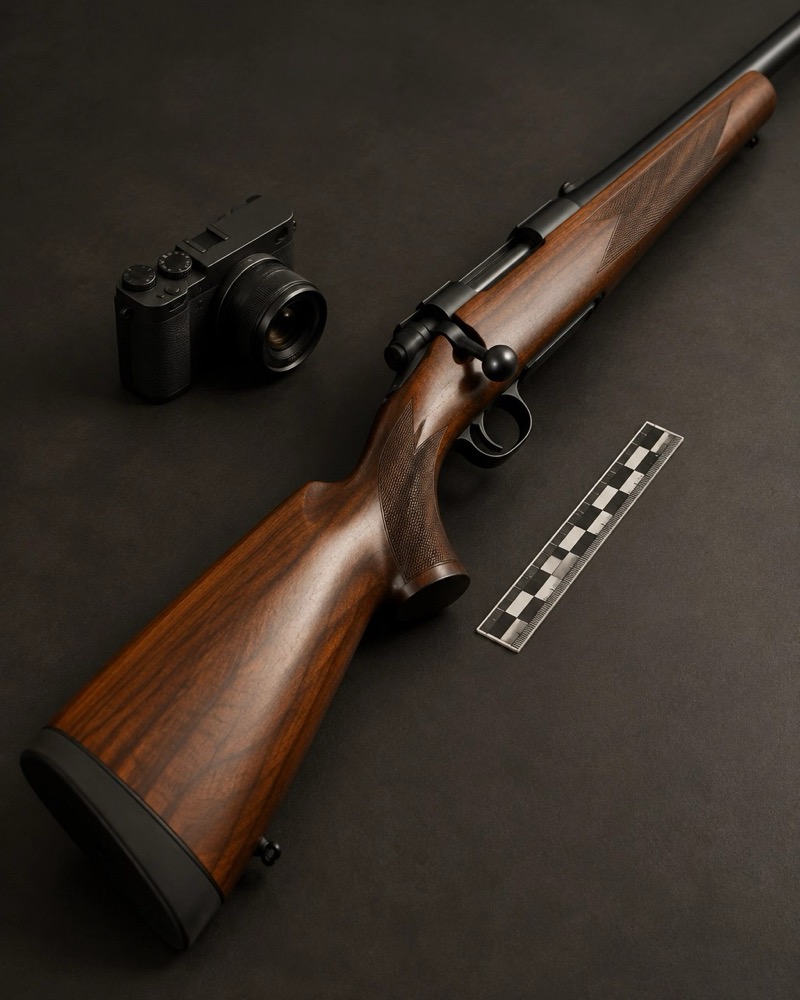
Before you start
Take care handling the gun. If you aren’t sure how to handle a particular firearm, don’t pick it up just to document it. Copy the details from your paperwork and get the photos later, with someone who knows the gun.
Pick a private spot with room to work. Don’t keep the record in the same place the guns live. And don’t post serial numbers, storage locations or collection details anywhere public.
The five-minute checklist
Here’s the routine for each firearm:
- Minute 1, identify it. Maker or importer, model, type, caliber or gauge, and the serial number exactly as it’s marked.
- Minutes 2 and 3, photograph it. One overall shot and one close-up of the markings. Add a photo of anything distinctive, or any wear you’d want to remember.
- Minute 4, add context. When and where you got it, if you know. Add any receipt or paperwork that goes with it.
- Minute 5, check your work. Is everything readable? Are the photos on the right gun? Can you find the record again?
That’s a baseline, not an appraisal. An old or unusual gun, thin paperwork or a big collection will take longer. That’s fine.
Record what you can verify
Start with the basics:
- Maker or importer
- Model
- Serial number
- Type
- Caliber or gauge
- Approximate acquisition date and where you got it
- Purchase price, if you know it
- Current estimated value, if you have a real basis for the number
The ATF Personal Firearms Record has fields for most of these, including acquisition date, cost and where you bought it. It works as a handy template. You keep it for yourself. Nothing gets filed with ATF.
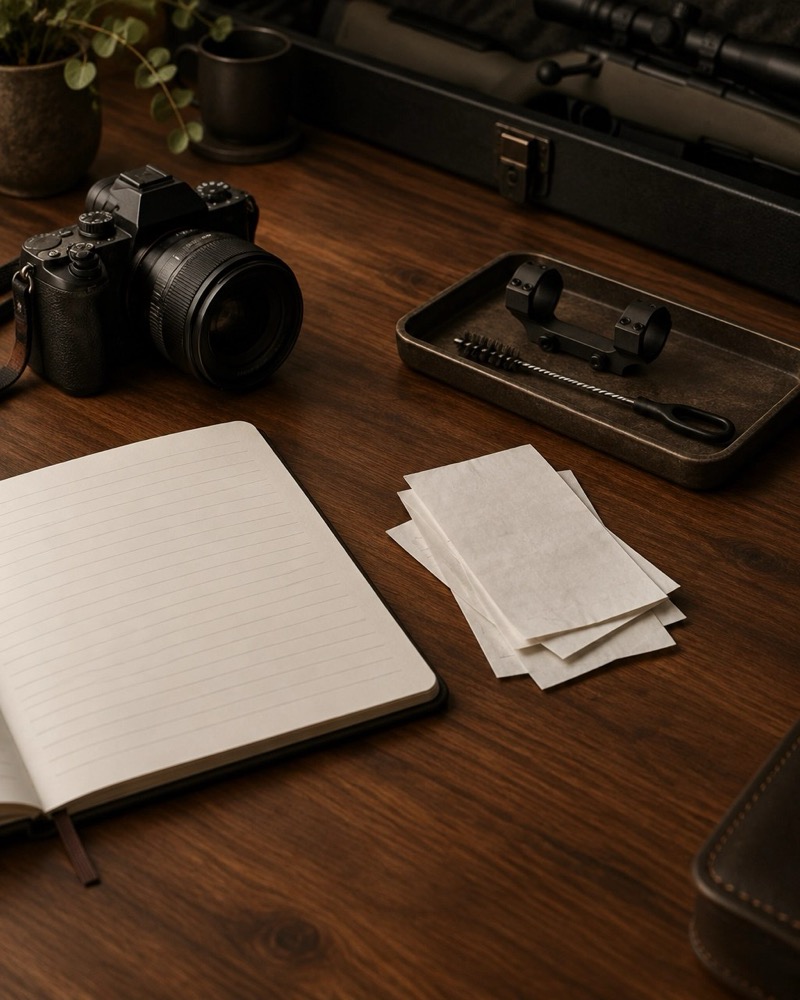
Copy markings carefully. If one is hard to read, write “needs verification.” Never fill in a serial number or model from memory.
If the gun has an optic or another accessory that matters, give it its own entry or a line in the description. “Optic installed” beats hoping a photo shows it. When parts change, add a dated note.
Take photos that answer the right questions
Later on, a photo needs to tell you two things: which gun this is, and what shape it was in. Use good light, a plain background and nothing cluttering the frame.
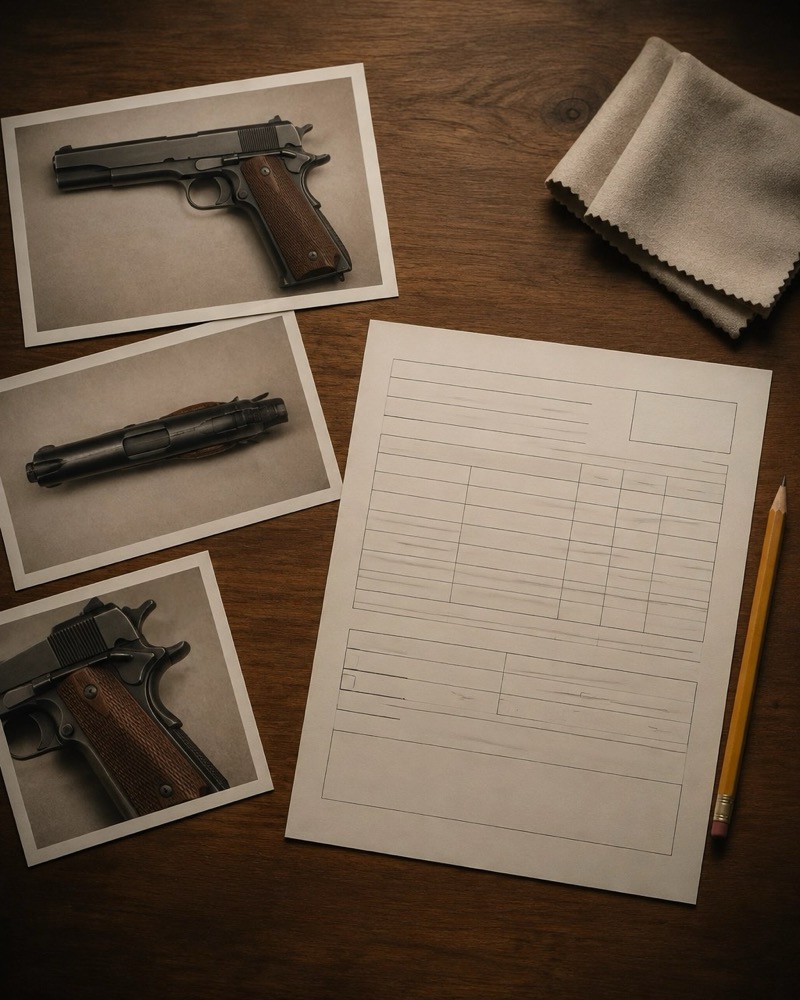
For a basic record, take:
- One overall photo that shows the whole firearm
- One close-up of the serial number and other identifying marks
- Extra shots of distinctive features, accessories or wear, when they matter
Zoom in on each photo to make sure it’s sharp. Keep people, family photos and anything that shows where the guns are stored out of the frame. If you can’t take photos right now, skip them and finish the written record first.
A checklist makes it easy to see which views are missing. Gunmark’s photo checklist guide covers how its checklists and completeness indicators work.
Add a short condition note
Keep it factual. “Small dent on stock” or “finish wear near muzzle” says more than “good condition.” If you photograph the wear, attach the photo to the right gun and date it.
For a valuable or unusual piece, get a professional appraisal. A number you jot down in an inventory isn’t one.
Keep paperwork with the right gun
Receipts, bills of sale, appraisals and manufacturer papers all add context. Scan them, or note where the original lives. Name the files so you can match them to a gun, like maker-model-last-four-of-serial. Skip the full serial in file names if you’d rather it show up in fewer places.
Keep originals when you can, and open a scan or two to confirm they’re readable.
Keep the record private
You want to get at this record easily. Nobody else should. Use your device’s lock and a strong password, keep a separate backup somewhere secure, and make sure you know how to restore it.
Gunmark keeps your collection on your iPhone. iCloud sync is optional, there’s no account, and nothing is stored on a Gunmark server. The privacy and security page and the iCloud sync and backup guide explain how each choice works. Using another app or a paper log? The same care applies to where it lives and who can see it.
Don’t let any one app be your only copy. Gunmark exports PDF and CSV files (here’s the export and import guide). Those files hold sensitive details, so store them like you’d store the serial numbers themselves.
Keep it current
Update the record when you buy, sell or transfer a gun, change a major part, or pick up new paperwork. Once a year, open it and confirm the details, photos and backup are all still there.
Start simple. Write down what you know, mark what needs checking, and keep it private and backed up. You can add detail later.
Why I made Gunmark
Everything above works with a notebook and a phone camera. I made Gunmark to make it easier.
You add a gun, fill in the details, and the photo checklist shows which shots you still need. Your collection stays on your iPhone. There’s no account, and iCloud sync is there if you want it. When you want a backup or a copy for your own files, export a PDF or CSV.
The first three firearms are free, with every feature. I’m an Air Force veteran, and I build Gunmark under Big Beard Apps. Get Gunmark on the App Store, or see it at gunmark.app.